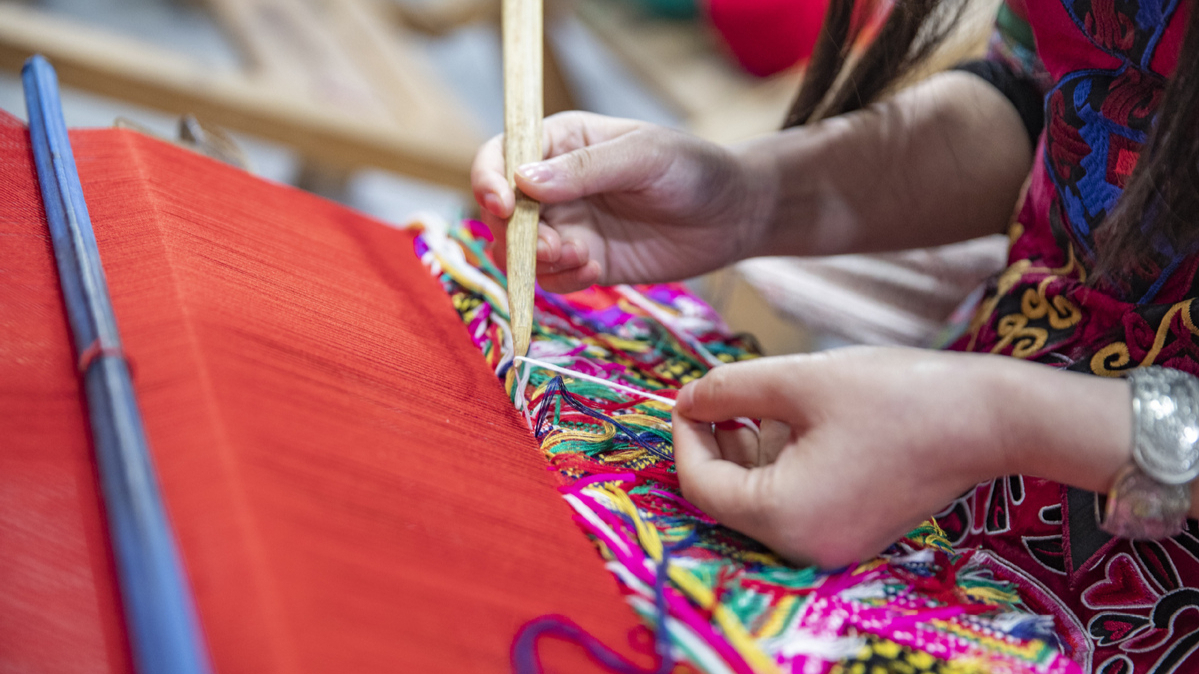
Tujia Brocade
Introduction
Tujia Brocade, known locally as "xilankapu", translates to "flower-patterned cover" in the Tujia language. This traditional textile craft is a hallmark of the Tujia ethnic group, residing predominantly in several provinces including Hunan, Hubei, Guizhou and Chongqing. Known for its intricate patterns and vibrant colors, Tujia Brocade is not only a representation of the Tujia culture but also a symbol of their rich heritage and artistry. In 2006, Tujia Brocade was recognized as a national intangible cultural heritage, highlighting its cultural significance and the need for its preservation.
Historical Background
The Tujia people, one of the 55 officially recognized ethnic groups in China, have a long-standing tradition of crafting brocade that reflects their cultural identity and artistic ingenuity. The practice of brocade weaving in Tujia communities can be traced back hundreds of years, with techniques and designs passed down through generations. Traditionally, Tujia Brocade was used in daily life as bedding, garments, and ceremonial attire, with each piece woven to convey specific cultural meanings and stories.
Craftsmanship and Techniques
Tujia Brocade is renowned for its complexity and the skill required to produce it. The creation of a single piece involves more than ten processes, including spinning, threading, knotting, and rolling, which are all performed by hand. The weavers employ a traditional loom that allows for the creation of intricate patterns using over 200 classic designs. Each design is symbolic, often featuring motifs such as flowers, birds, and auspicious symbols that reflect the Tujia people's beliefs, values, and connection to nature.
One notable craftsman, Liu Dai'e, has been instrumental in preserving and innovating Tujia Brocade techniques. Born and raised in a village in Hunan province, Liu has dedicated over five decades to mastering and enhancing traditional brocade weaving. Her contributions include developing methods to weave patterns on both sides of the fabric, a technique that took her six to seven years to perfect. Liu's commitment to innovation while respecting traditional methods has helped keep Tujia Brocade relevant in modern times.
Cultural Significance
The cultural importance of Tujia Brocade extends beyond its aesthetic appeal; it is a crucial element of Tujia heritage. As the Tujia ethnic group does not have a written language, brocade serves as a visual narrative that preserves their history, myths, and customs. Each piece of brocade is not just a textile but a storytelling medium that encapsulates the Tujia's cultural identity and collective memory.
Moreover, Tujia Brocade plays a vital role in cultural events and ceremonies, such as weddings and festivals, where it is worn as a symbol of prosperity and good fortune. The craft also contributes to the local economy, with tourists and collectors seeking out these unique textiles, thereby promoting cultural tourism in Tujia regions.
Modern Adaptations and Innovations
In recent years, Tujia Brocade has seen a resurgence in popularity, driven by efforts to adapt the craft to contemporary markets. Artisans like Liu Dai'e have been pivotal in this transformation, creating products that appeal to modern consumers while maintaining traditional techniques. Liu's business, for example, has expanded to include items such as scarves, shawls, handbags, and paintings, which incorporate traditional designs into everyday fashion and decor.
The brocade's lightweight silk versions have become particularly popular, catering to tourists and those seeking high-end, customized products. By entering the luxury market, Tujia Brocade has not only preserved its traditional methods but has also elevated its cultural status, ensuring its continued relevance and appreciation.








